
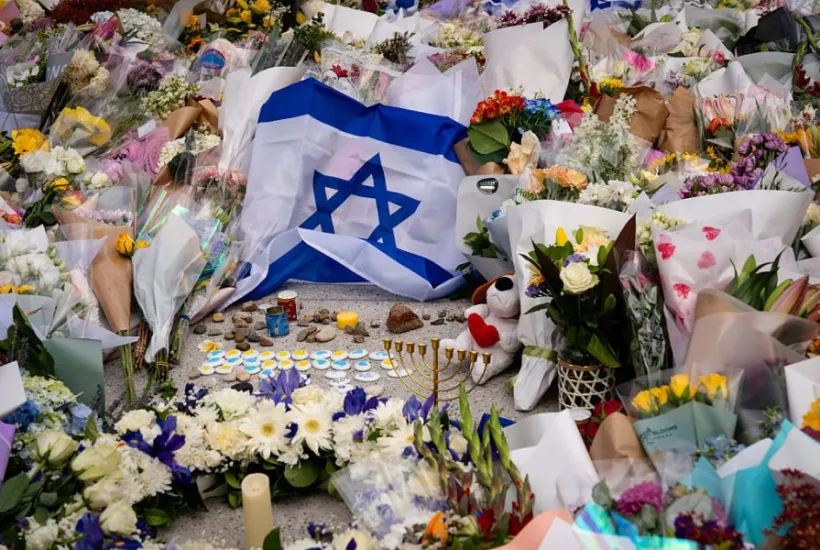
Bondi Beach has long symbolised Australia at its most open and unguarded. I knew two of the people murdered there, and their deaths shattered the belief that social harmony can be assumed. For my father, a Holocaust survivor welcomed after the war, Australia offered refuge on an unspoken condition: build a life here, contribute, and leave old-world hatreds behind. That bargain once held. Bondi Beach shows it has frayed.
Australia’s “she’ll be right” temperament worked as a national mood, but as an immigration philosophy it became complacency. Multiculturalism succeeded not because everything was tolerated, but because it was conditional. Migrants kept their cultures while embracing a shared civic identity. This reflected Karl Popper’s warning that unlimited tolerance ultimately destroys tolerance itself.
The Bondi attackers were not recent arrivals but embedded residents, part of a broader and long-ignored pattern. Since Hamas’s 7 October attacks, anti-Semitic incidents in Australia have surged, escalating from rhetoric to vandalism, arson, and murder. Australia’s intelligence chief now identifies anti-Semitism as the country’s most serious threat to life.
Yet political leaders lacked the courage to name the problem. Warnings about radicalisation and failed integration were dismissed as racism, allowing communities to exist alongside Australian society rather than within it. Foreign Islamist regimes have exploited this failure, weaponising tolerance against the country that extended it.
Australia remains overwhelmingly supportive of multiculturalism. The failure lies not with the public, but with elites who treat integration as hostility. Assimilation is not oppression; it is the price of entry. Bondi Beach is not only an Australian tragedy—it is a warning to every democracy that believes diversity can endure without enforcing its terms.

